It’s spreading faster than a pandemic through air vents. One friend said everyone on the plane had it. Another in D.C. told me it just hit her morning dog-walk crew with a vengeance. But this time, it’s a contagion people can’t wait to get their hands on.
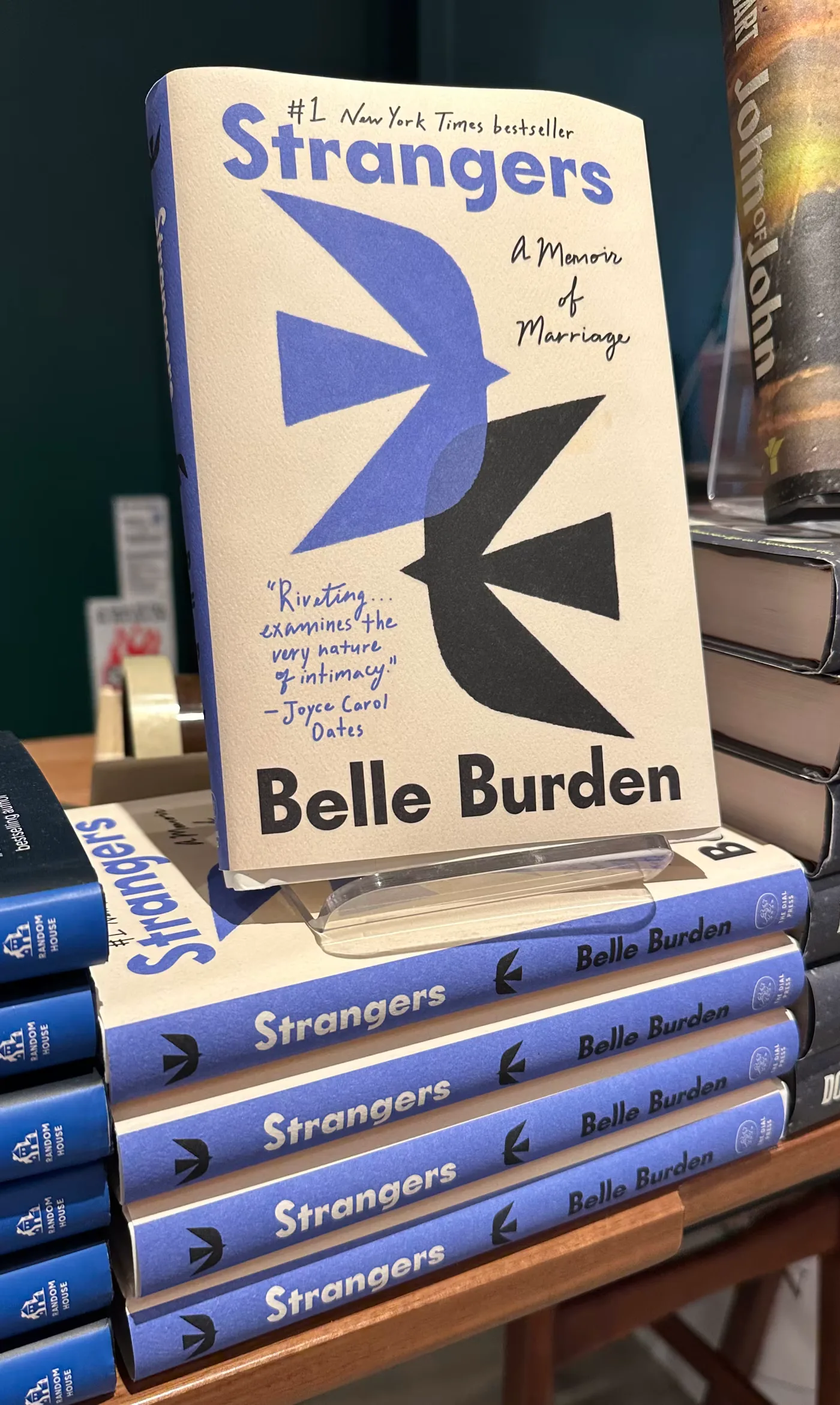
I’m talking about the mega-bestseller “Strangers” by Belle Burden. A searing divorce memoir, it chronicles her husband leaving and her shock at his decision.
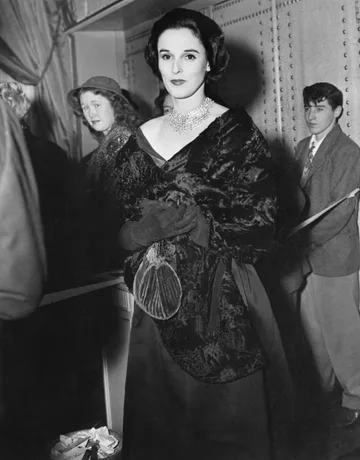
Burden’s glamorous pedigree only adds to the story’s allure and intrigue. Paternally, she descends from the Vanderbilts, and on her mother’s side, she’s the granddaughter of America’s highest society queen, Babe Paley.
More forcefully, her story punctures the idea that wealth or social status can insulate us from humiliation and loss of agency. Burden has given women across the country an outlet to be angry together at a specific target—her ex-husband—as proxy. It allows women to align around an accumulated weight of being interrupted and dismissed and underpaid and undervalued.
But witnessing the book’s reception, it disturbs me how quickly we, as readers, have accepted one side of a complicated relationship: The husband is a monster, she is our sister. Tidy narratives don’t match the gray messiness of divorce.
Whenever the topic of “Strangers” comes up, and it does constantly in my professional and social groups, I can’t help but bring up my one crucial question: “What do we think the husband’s side is?”
Suggesting we imagine the husband’s experience during the marriage and subsequent breakup feels like I’ve broken a blood oath with women warriors. The reaction is swift, defensive and many times delivered with the vitriol of an adolescent facing the cosmic injustice of screen-time limits.
“He’s despicable!”
“He tried to take her houses!”
“He never wanted to see the kids again!”
People glare at me as if I’d shot their dog.
I’m not defending anyone’s behavior. I’m proposing a discussion. Why do so many readers I speak to believe they can be a fair judge presiding over every moment of this couple’s dreams and disappointments?
A refusal to sit in the gray area hasn’t just infected how we digest the latest literary sensation; this mode of communicating (or not communicating) has taken over our entire political and social discourse.
You can love this book, as I do; you can relate to her story, as I do; we can be sisters in a common cause for a woman wronged, as I am. Belle Burden is not lying. She is telling her story as she sees it. And she deserves to be read seriously.

But hers is not the whole story, and the moment we decide reading one spouse’s account makes us qualified to render a verdict on the couple, we are participating in intellectual laziness. A memoir is a subjective pact with an audience, not a deposition.
Having waded through a messy, money-charged divorce myself, I know that the story your spouse tells about you is not the story you would tell about yourself. And that is precisely why I refuse to accept that we should be so certain about what the husband in “Strangers” did or didn’t do.
During my own marriage’s breakdown, a counselor put out wooden animal figurines. Holly sees an elephant, my husband sees a giraffe. The experiment was simple, and devastating.
We were not disagreeing about facts. We were seeing different realities, shaped by different needs and different wounds. It was two people looking at the same center point and seeing entirely different beasts.
Unlike most readers, I didn’t meet the characters in “Strangers” on the page. I grew up in a similarly privileged New York world around three generations of Burden’s family and came to know people in her ex-husband’s orbit too, including his roommate who tragically died young of an overdose.
From my vantage point, parts of the book rang true, but others did not. Burden cleverly framed her memoir as a financial thriller. After all, money is psychological, and the author felt vulnerable with sudden changes she didn’t initiate or want.
Burden’s words leapt from the page to hyperbolic social mythmaking of near financial ruin at the hands of a dastardly husband. Likewise, her husband’s refusal to share custody was widely exaggerated into a story that he had abandoned his children entirely—claims Burden didn’t even make herself.
But the notion of a woman with a prenup and wealthy lineages heading into real financial precarity was dubious. Four months after the book’s publication, an article in the New Yorker reported the author’s sound financial standing, listing a $63 million trust, $45 million of which was destined for her and her brother after their stepmother’s passing.
So here’s my question: Why are women so invested in Burden’s financial misery? Why did so many readers need her not merely to be hurt, but to have faced near ruin?
We watch politicians demean us without consequence and face the systemic stripping of our rights. I wonder if the reaction to the book is less about Burden’s marriage and more an excuse to wallow in our own perceived lack of agency. Has our unity fallen into misdirected victimhood disguised as sisterhood?
Bottom line today: Burden’s settlement worked, she has two family homes and sizable child support. Her husband lives a few blocks away and sees the kids, albeit not as often as she’d like. Not quite as riveting or suspenseful as the version in the book but, hey, she did OK in the end.
If we choose to collapse into a monolithic, uncritical chorus whenever a wronged woman writes a memoir, we are trading our real potency for the cheap satisfaction of rah-rah-go-us groupthink. The personal is not always the political.
Sometimes we react to injustice or betrayal by treating any foray into gradations as if it’s an existential threat to progress. I happen to think the opposite is true.
Women must remember how we wield power, and tap it, integrate it, realize it. We earn the majority of university and master’s degrees, cast more votes than men and influence far more consumer purchasing decisions. We possess an immense, often terrifying amount of control over who our children become and how our partners behave. We are often the ultimate architects of domestic and social order.
As a nation, we need to relearn how to respect the value of an opposing view on the same topic, admit how weird, off-balance and dogmatic we’ve become and have the courage to disagree out loud.
If we can agree on this, we don’t need to be such strangers.